
Fashion Meets Furniture: Bottega Veneta’s Design Influence
What’s on my mind this month? Matthieu Blazy for Bottega Veneta.
For those unaware, Blazy was the Creative Director of the brand from November 2021 until December 2024, stepping into the role after Daniel Lee’s departure. In just three years, he reshaped how Bottega communicated its identity, not only through clothing but through the spaces it occupied.
Walk into a Bottega Veneta store during Blazy’s tenure and it feels less like a shop and more like an installation. Italian walnut panelling wraps interiors with warmth while sculptural furniture pieces and architectural details extend the language of the runway into the built environment. These are not mere retail fit-outs. They are immersive spaces that capture the essence of the brand beyond fashion.
Fashion has always flirted with interiors, but under Blazy the conversation became sharper and more deliberate. Known for his approach to “quiet luxury,” he carried the same values that defined his runway collections subtlety, tactility, and precision into physical design.
His collaboration with Cassina at Milan Design Week, reimagining Le Corbusier’s LC14 Tabouret Cabanon, was not simply a furniture exercise. It was a statement that fashion brands have the power to influence how we live as much as how we dress.
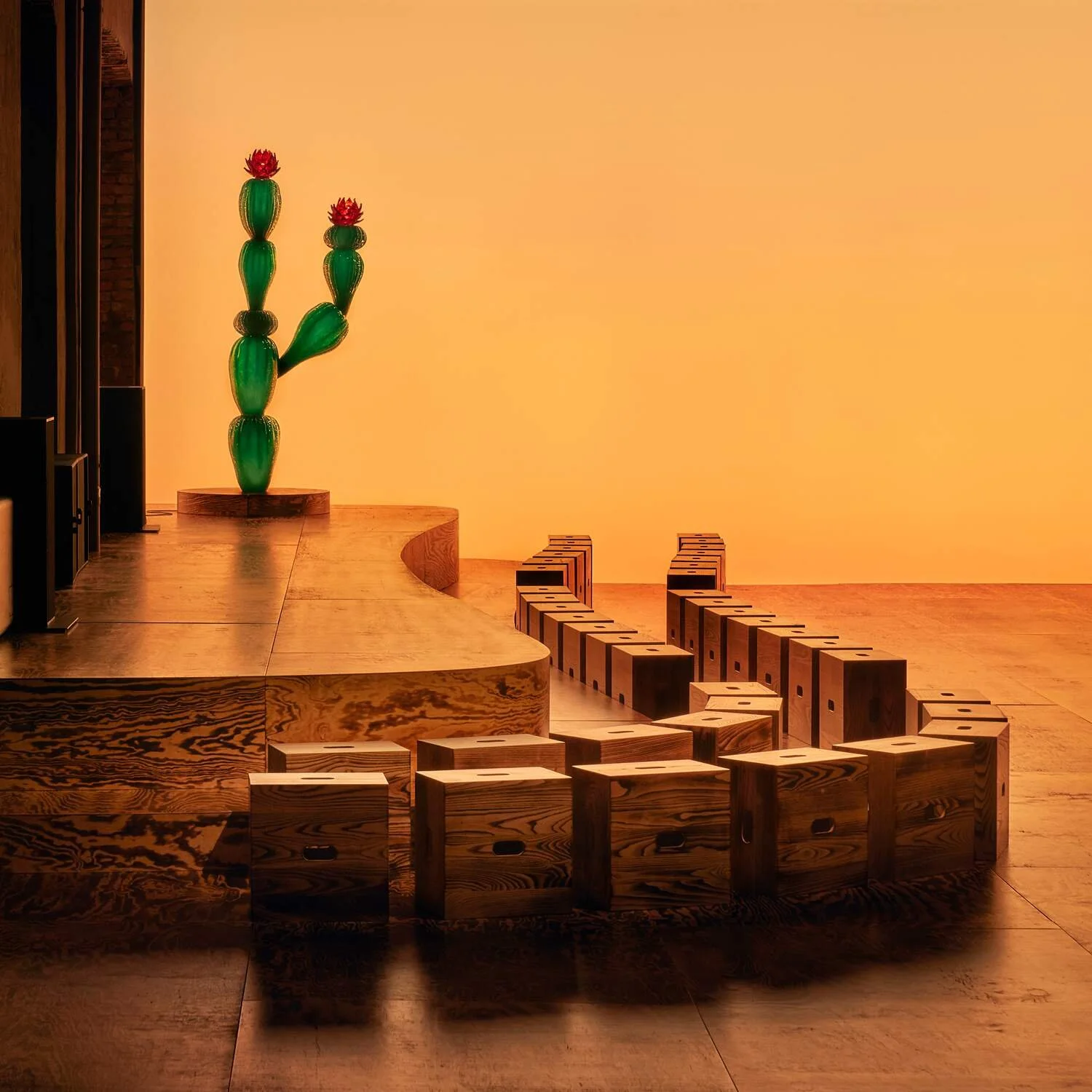
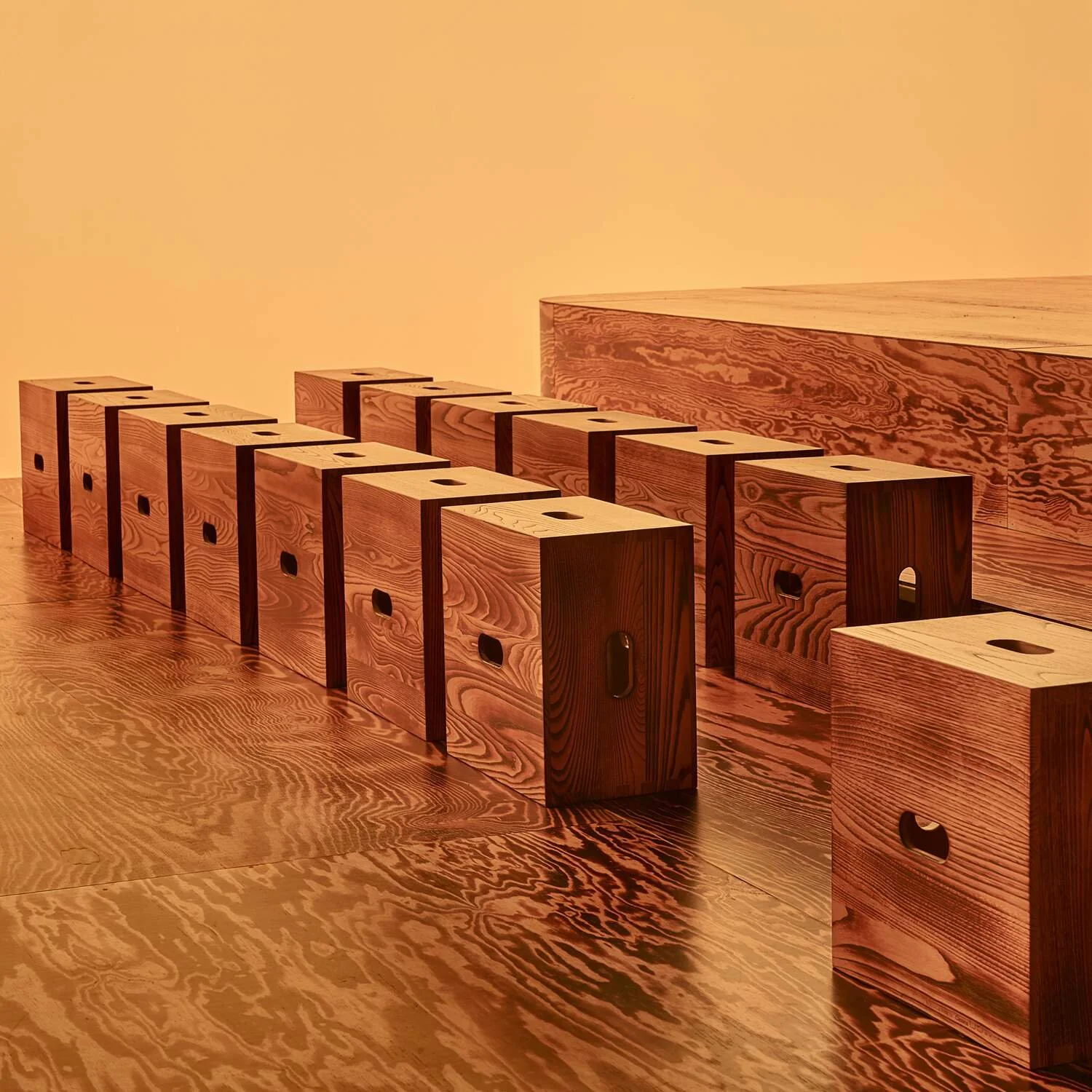
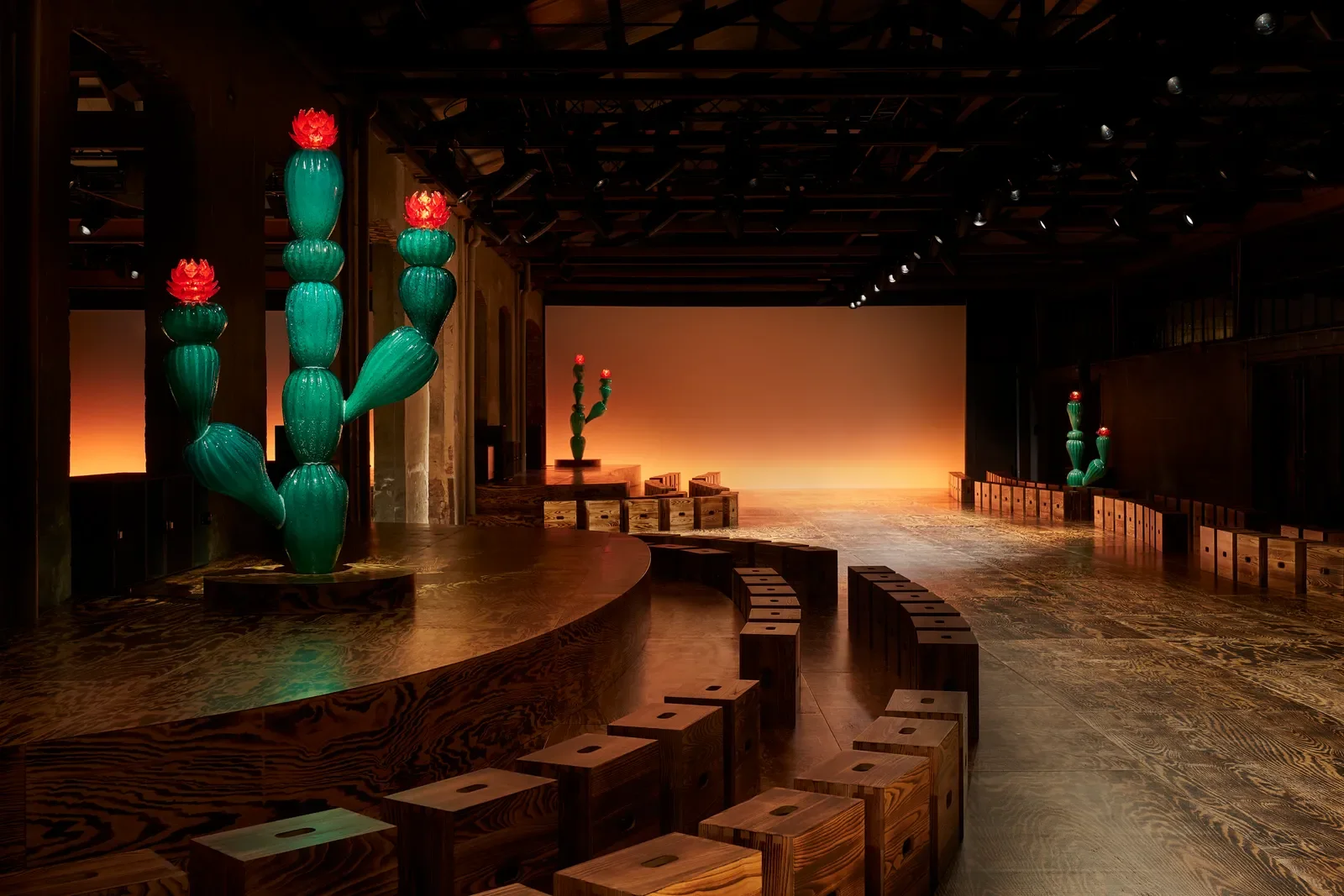
Bottega Veneta’s fall 2024 show set, with seating provided by the house’s scorched reworking of the LC14 Tabouret with Cassina. Photo credits: Matteo CanestraroEven before Matthieu Blazy, Tomas Maier recognised that Bottega Veneta’s aesthetic could move beyond the wardrobe. In the mid-2000s, he introduced the Bottega Veneta Home line, a collection that included furniture, lighting, and textiles. These pieces reflected the same design principles that defined the brand’s leather goods: restraint, quiet luxury, and an emphasis on material quality. Maier’s interiors were not about spectacle or trend-chasing. Instead, they were understated, timeless, and designed to integrate seamlessly into real homes. The Home line placed Bottega within the growing conversation about lifestyle brands, showing how fashion houses could influence not only how people dressed but also how they lived.
Blazy’s tenure, however, shifted the focus from products to environments. Rather than confining Bottega’s influence to collections of furniture, he reimagined the brand’s physical spaces as extensions of its identity. His redesign of the Paris flagship is a clear example of this approach. Walnut panelling lines the interior, its rich tones evoking the heritage of Italian craftsmanship. These surfaces are contrasted by soaring columns of glass brick, which diffuse natural light and create a sense of rhythm throughout the store. The juxtaposition of warm, tactile wood with cool, translucent glass achieves a surreal balance that is both modern and rooted in tradition.
The furniture within the space is equally deliberate. Sculptural benches and display tables are treated not as retail fixtures but as design objects in their own right, each piece reinforcing the vocabulary of form, texture, and craft that Blazy carries through his runway collections. Walking into the flagship does not feel like entering a store in the conventional sense. Instead, it feels like stepping into a three-dimensional translation of Bottega’s values — a space where architecture, materials, and objects all speak the same design language.
This immersive approach signals a significant evolution in how fashion intersects with interiors. While Maier demonstrated that fashion brands could credibly produce furniture and home goods, Blazy’s vision shows that the identity of a house can be fully spatial, shaping environments in a way that is as expressive as a collection shown on the runway.
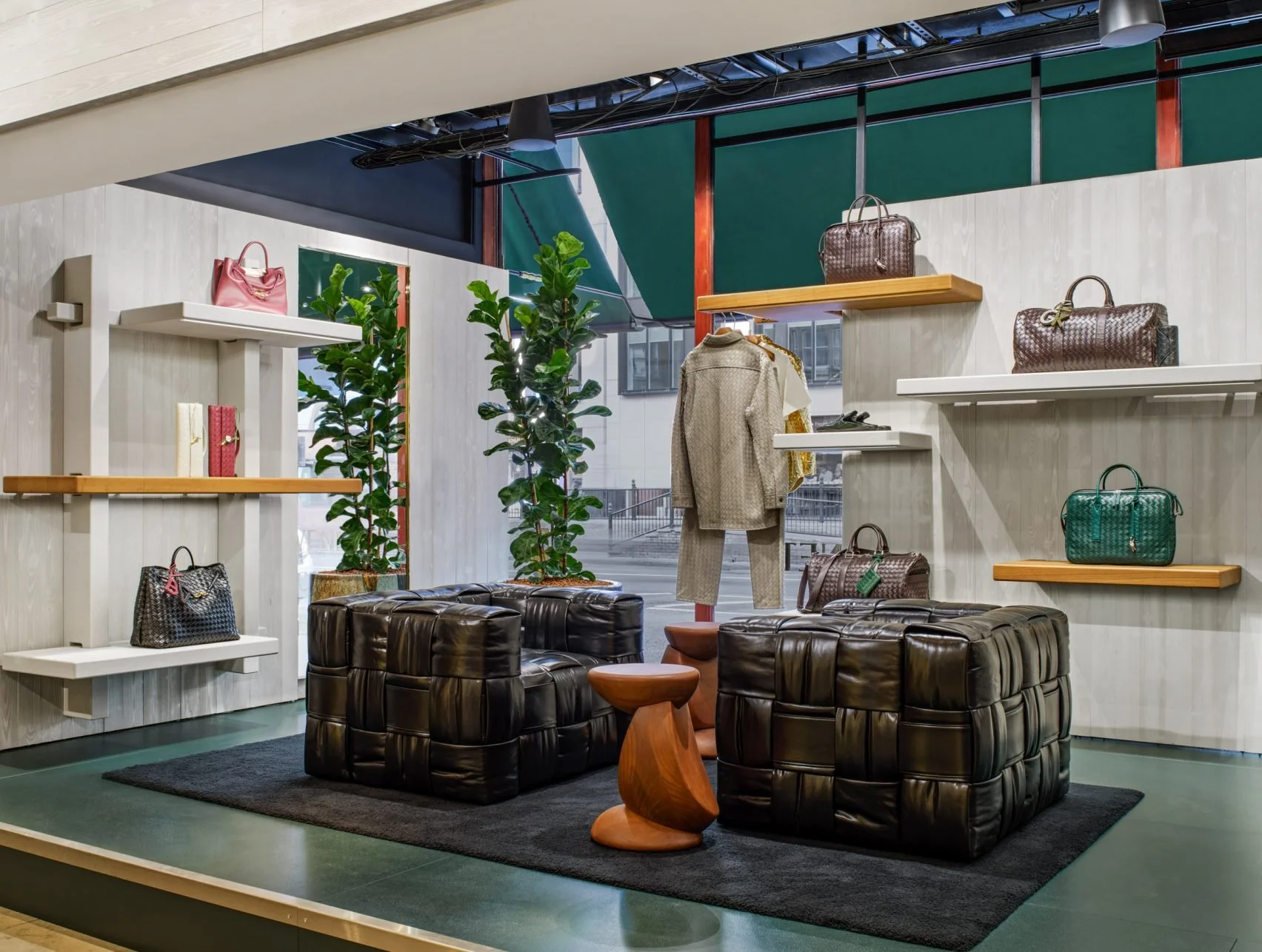
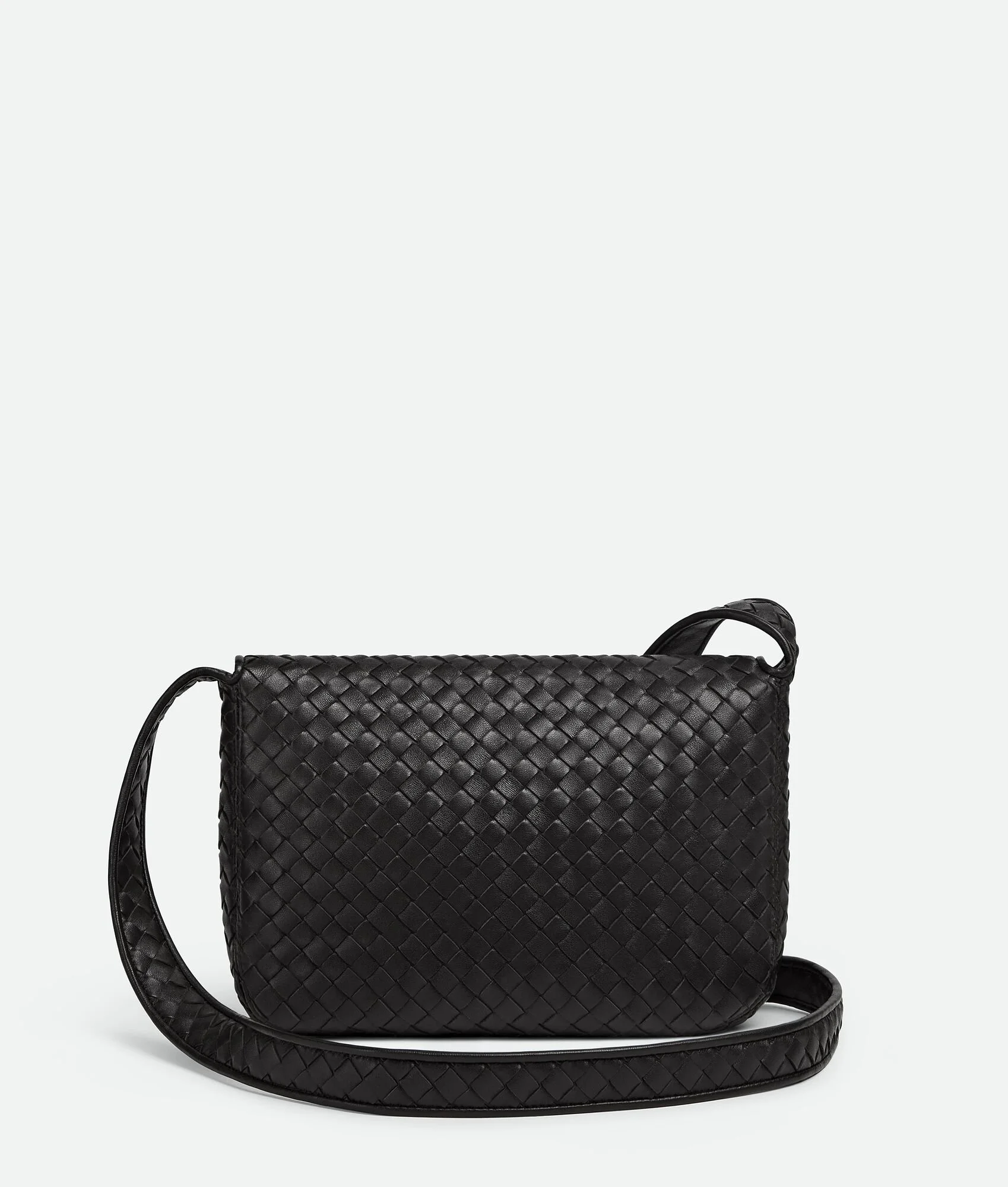
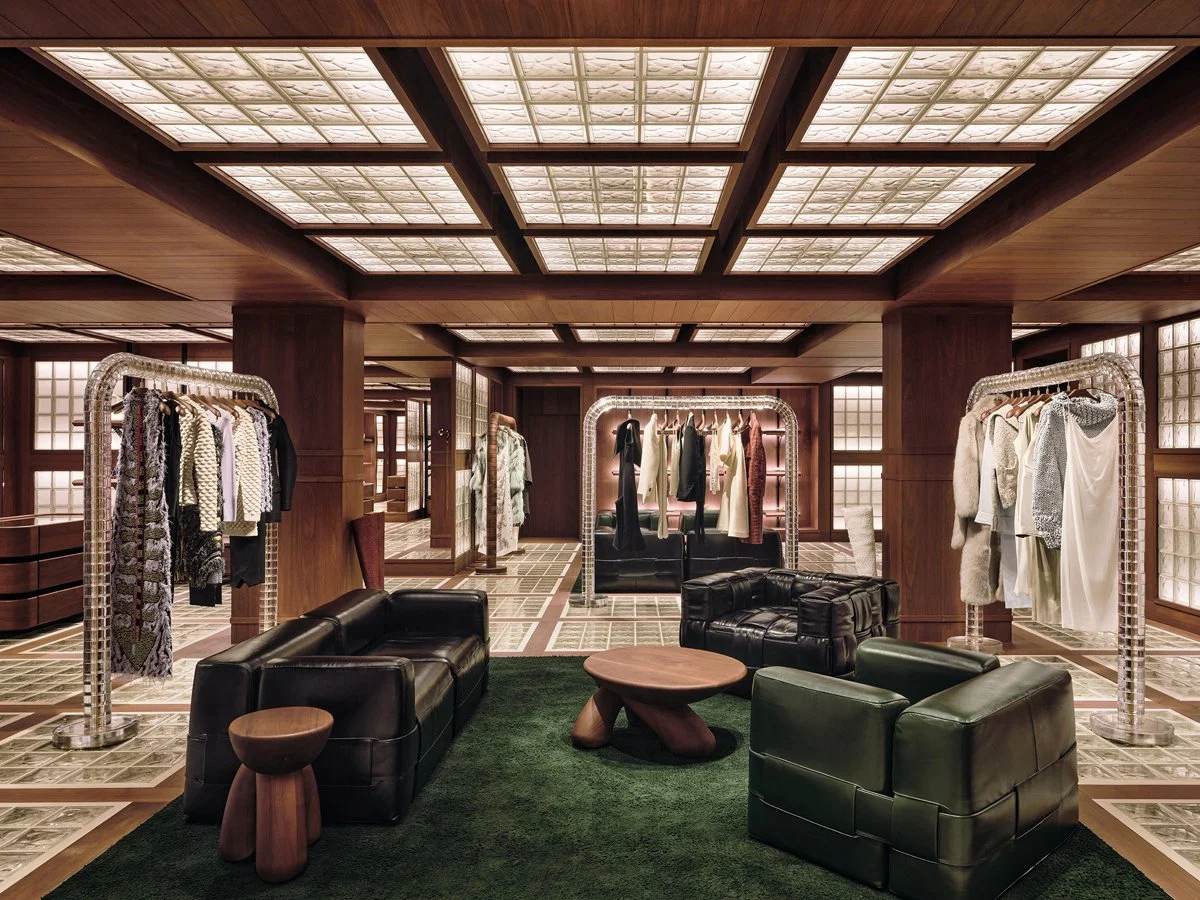
Left: Large chairs in black woven leather at Harrods London. Middle: Veneto Flap Messenger. Right: Paris Flagship Store. Photo Credits: Bottega Veneta. For interior design, this evolution raises an exciting question: what happens when the runway enters the living room? It means that silhouettes, colours, and textures no longer remain confined to garments but find their way into sofas, ceramics, and lighting. The bold volumes of a Bottega Veneta bag can be seen mirrored in the curves of an overstuffed armchair. The interplay of glossy and matte leather becomes a prompt for how we pair surfaces and finishes in a home. Fashion, in this sense, becomes a lens for reimagining how we stage our daily environments.
At Astoria Design Studio, this crossover is a constant source of inspiration. Just as fashion designers craft narratives through materials and form, interiors have the ability to tell those same stories through space. By curating objects and creating bespoke pieces, I aim to bring that sense of considered luxury into homes. The goal is not simply decoration but translation turning cultural and aesthetic movements into environments that feel both timeless and deeply connected to the present moment.
In the end, fashion and furniture are part of the same continuum. Both shape how we present ourselves, both carry narratives of craft and culture, and both reflect identity in tangible form. Whether on the runway or in the living room, design has the power to move us. Bottega Veneta’s vision shows how seamlessly these two worlds can intersect, and it reminds us that the boundaries between disciplines are often where the most compelling stories are found.