
The Bauhaus Code for Timeless Interiors: Why Design from 1919 Still Rules Your Home
What’s on my mind this month? Bauhaus
When you look at a sleek timber dining table, a leather and steel chair, or an airy open-plan living space, you’re not just seeing today’s design trends. You’re looking at the legacy of a movement that started over 100 years ago. That movement is Bauhaus. Born in Germany in 1919, the Bauhaus was more than just an art school. It was a philosophy. Walter Gropius, its founder, set out to unite art, craft, and industry. To create everyday objects and spaces that were not only beautiful, but deeply functional. Even though the school only ran for 14 years, its legacy endures to this day.
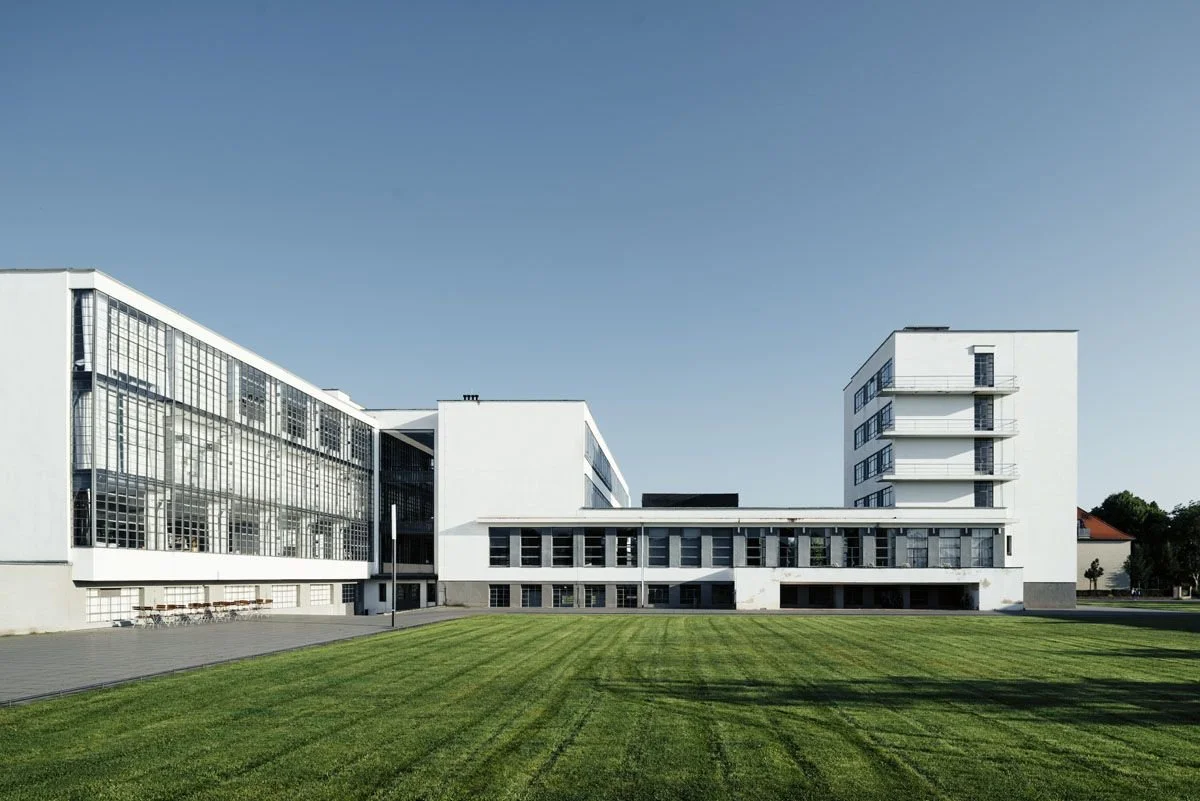
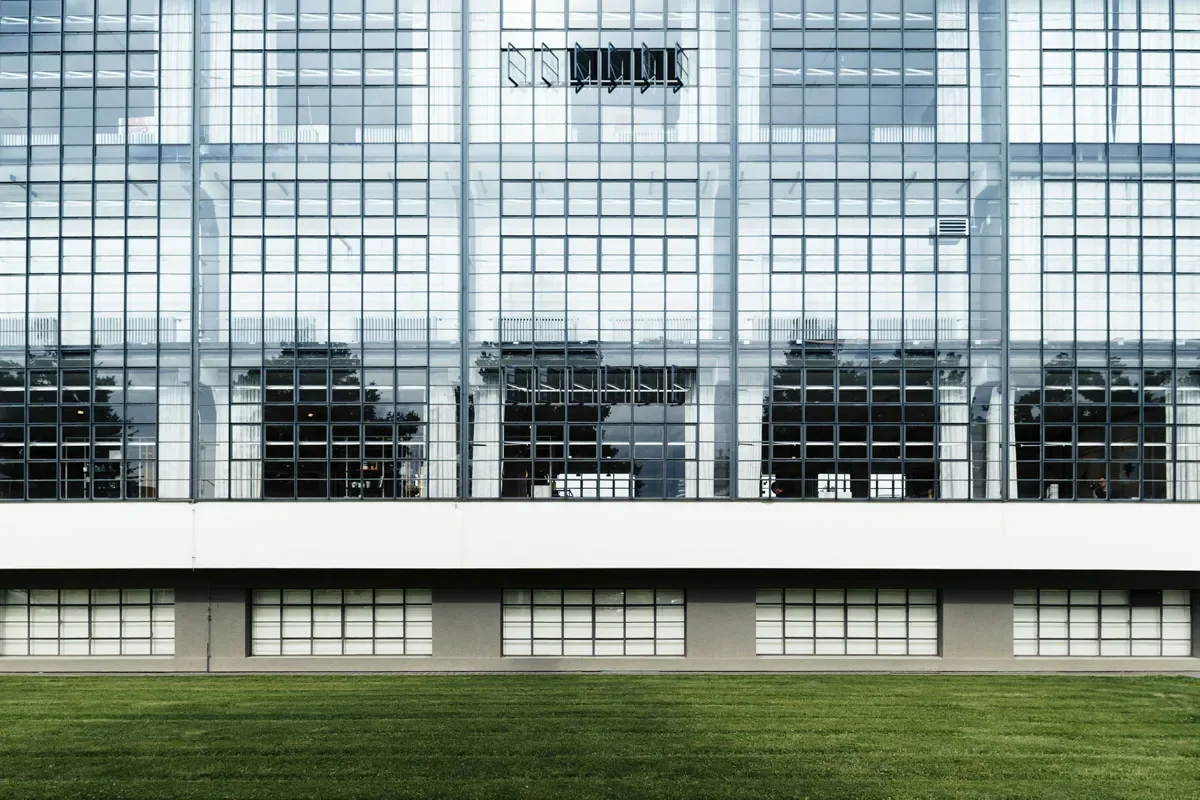


Bauhaus School Building. Photo Credits: Tillmann Franzen
So why does Bauhaus still matter today? Let’s explore.
1. Function Above All
If there’s one Bauhaus phrase you’ve heard, it’s this: form follows function. In plain English, it means design should always start with purpose. Ornament for ornament’s sake? Forget it. Take open plan living, for example. It feels like such a modern idea, but it’s a direct descendant of Bauhaus thinking. The rejection of small, rigid rooms in favour of large, flowing spaces was radical in the early 20th century. Today, it’s second nature.
Think about your own home:
Kitchens that open straight into dining and lounge areas.
Built-in storage that hides clutter while keeping everything within reach.
Streamlined cabinetry and surfaces that make cooking, eating, and living seamless.
It’s all Bauhaus logic in action. Every square meter should work hard for the people who live there.
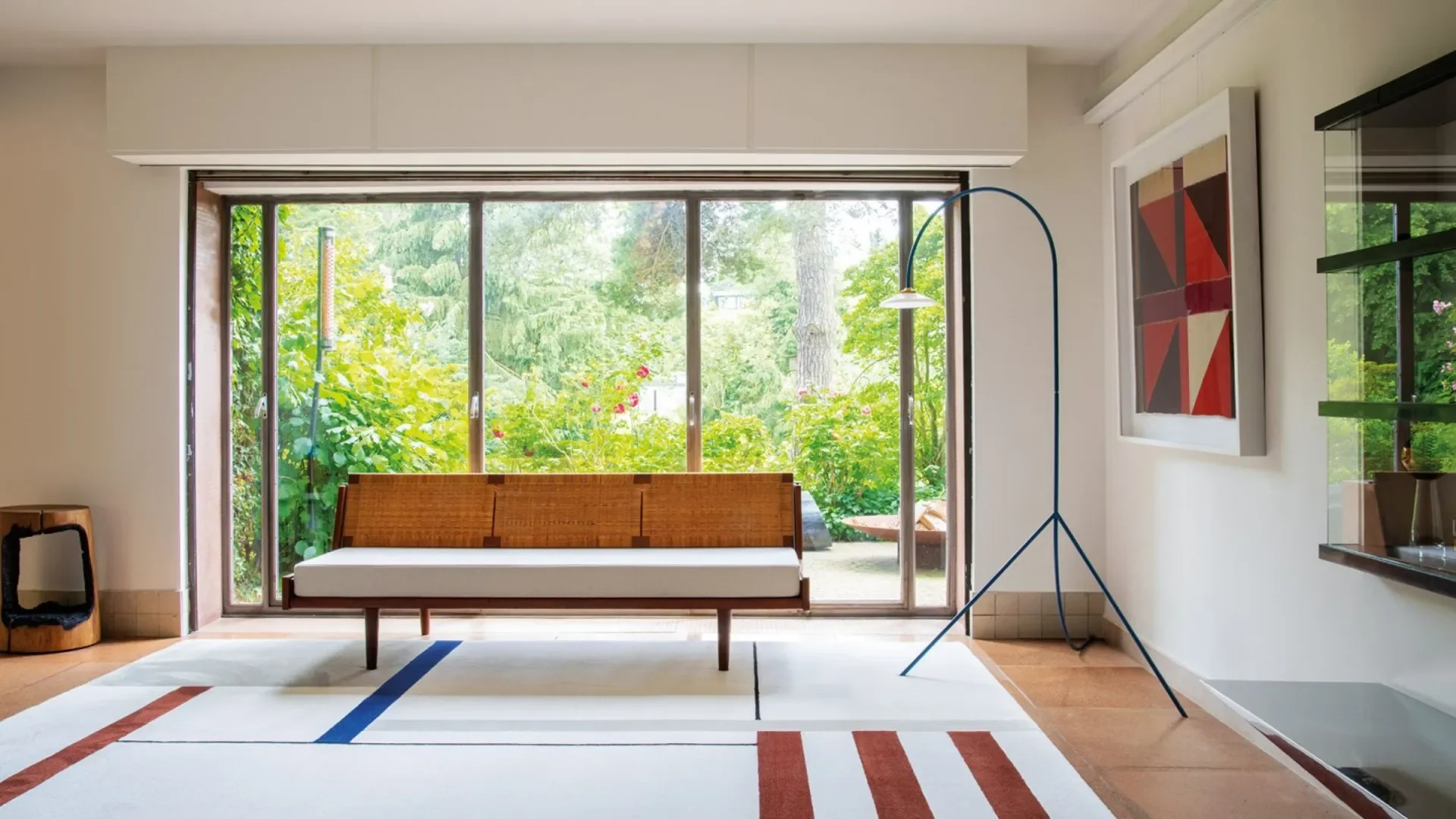
Photo Credits: Caroline Notte
2. Be Honest with Materials
Another big Bauhaus rule? Don’t fake it. Celebrate materials for what they are. Steel should look like steel. Timber should show its grain. Concrete should be proud of being concrete. This truth to materials principle gave us a whole new design language: geometric shapes, clean lines, and simplicity that still feel fresh today.
You can see it in some of the most iconic pieces of furniture:
Marcel Breuer’s Wassily and Cesca chairs, made with tubular steel. Industrial pipes transformed into lightweight, mass-produced chairs that are both functional and stylish.
The concrete floor trend, which feels contemporary but owes everything to Bauhaus. Smooth, hardwearing, and honest.
Exposed timber beams or plywood cabinetry, where the natural beauty of the wood is the decoration.
Sound familiar? It should because it’s the DNA of modern minimalism and the industrial-chic look that continues dominates so many design feeds.
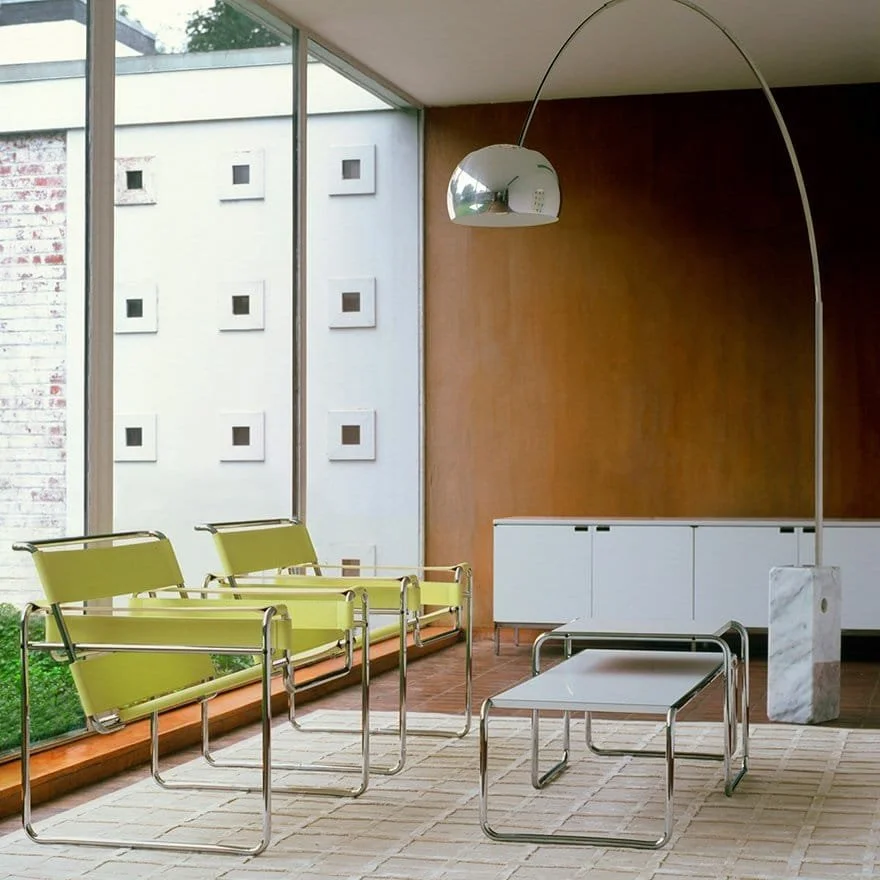
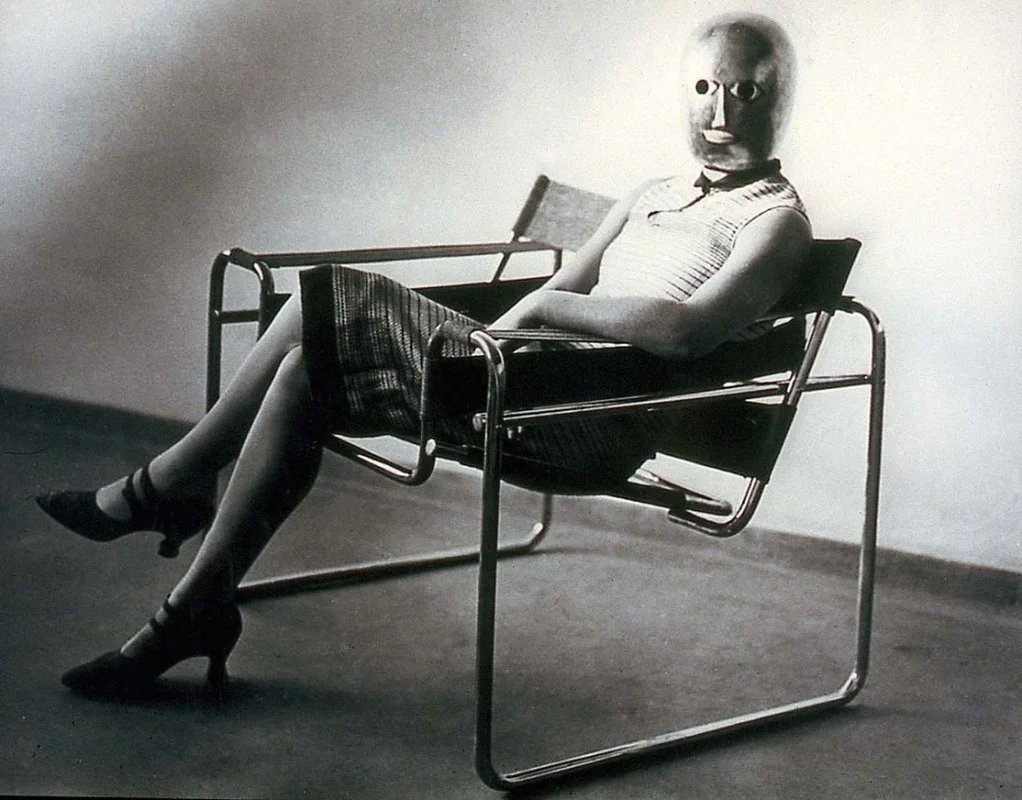
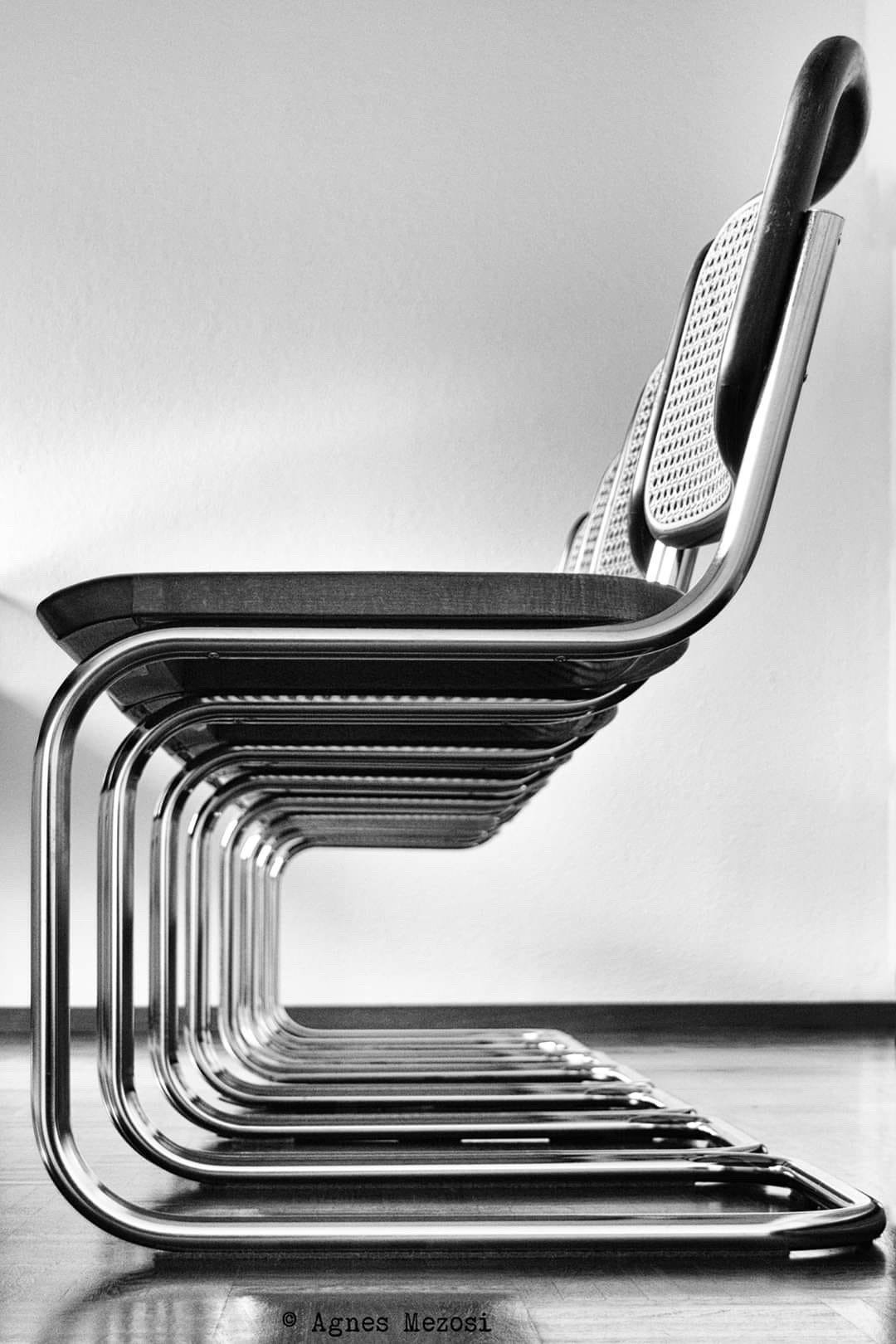
Left & Center: Wassily Chair. Photo Credits Unknown. Right: Cesca Chair. Photo Credits: Ágnes Mezösi.
3. The Australian Connection
Here’s where it gets interesting. Bauhaus wasn’t just a European phenomenon. Its ideas ripple strongly through the Australian lifestyle. We love homes that are easy to live in, low-maintenance, and connected to the outdoors. That’s a perfect fit for Bauhaus thinking.
Consider this, wide glass sliders opening onto a deck, polished concrete flowing from inside to out, and big windows that frame the gum trees or the sea. It’s pure Bauhaus with spaces designed around how people actually live.
There’s also a big crossover with Scandinavian design, which Aussies have embraced wholeheartedly. Brands like IKEA - Swedish at their core but shaped by the wider Scandi ethos - share the Bauhaus mission of bringing good design to the masses: affordable, functional, and stylish.
What’s the Takeaway?
Bauhaus isn’t just design history, it’s a playbook for creating interiors that never date. Here are three lessons to steal from the movement:
Start with function - Ask how a space will be used before you think about how it looks.
Keep it simple - Fewer, better pieces always outshine rooms filled with stuff.
Be honest with materials - Let timber be timber, metal be metal, and concrete be concrete. When you choose durable, authentic materials, they not only last longer but age beautifully.